


Spring and Suspension Repair Services: Heavy-Duty, Commercial, and Performance Vehicles
March 31, 2026
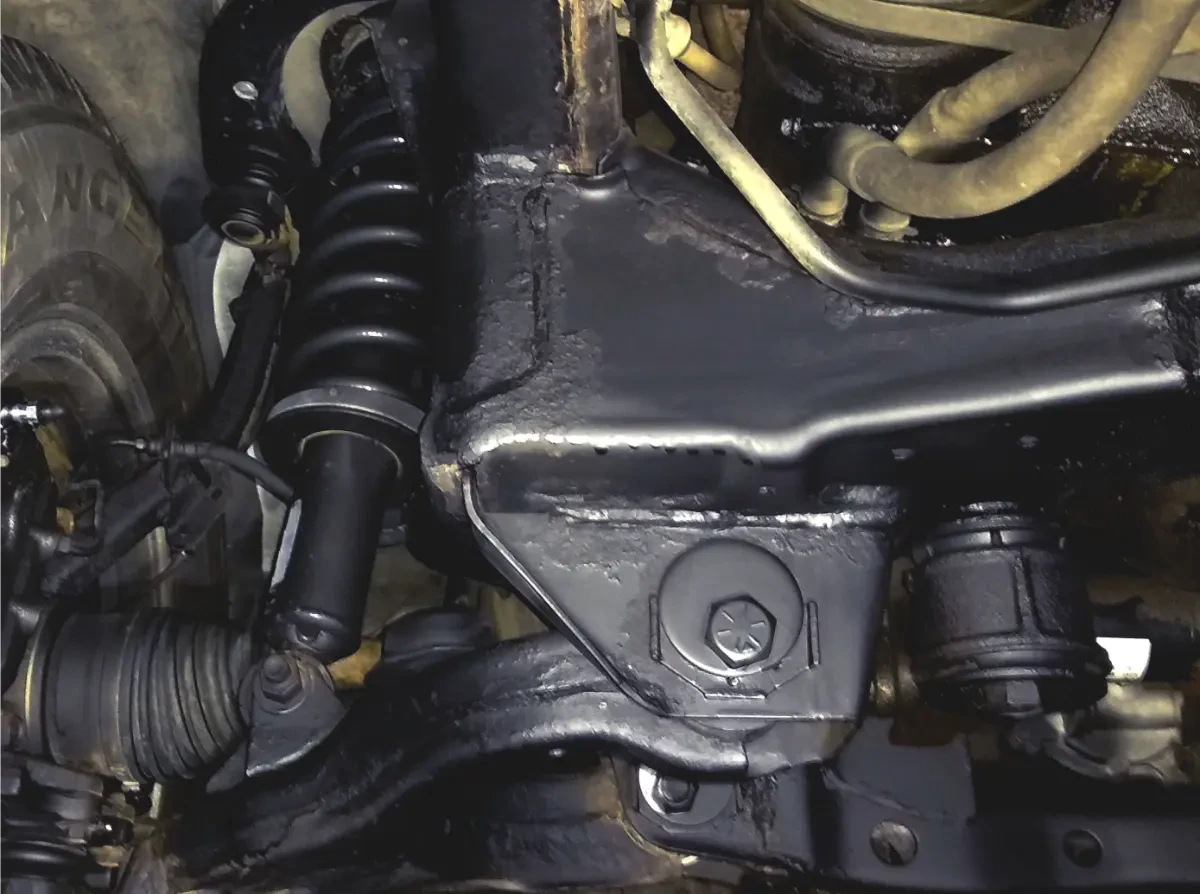
When your truck starts riding rough, leaning to one side, or bouncing over every pothole, your suspension is telling you something. And in Ontario, where winter freeze-thaw cycles chew up roads, and heavy loads down the 417 are the norm, your spring and suspension repair services aren’t just about comfort. They’re about safety, stability, and protecting your investment.
Whether you operate a Class 8 rig, manage a commercial fleet, or drive a performance diesel pickup, your suspension system takes a beating every kilometre. Let’s break down how it works, what goes wrong, and how you can stay ahead of costly failures.
What Your Suspension System Actually Does
Your suspension doesn’t just make for a smooth ride. It performs two critical jobs:
- Supports weight – Your truck’s frame, cargo, and trailer weight rest squarely on the suspension.
- Absorbs impact and controls rebound – Every bump, pothole, and uneven road surface gets filtered through springs and shocks.
Heavy-duty trucks typically use leaf-spring or air-suspension systems. And each has its strengths and weaknesses.
If your suspension fails, weight distribution shifts, handling suffers, braking distance increases, and other driveline components take on additional stress. In short? It’s a domino effect you don’t want.
Leaf Spring Suspension: Rugged and Reliable
Leaf springs are stacked, curved steel blades mounted to the axle and frame. They’re simple. Tough. Time-tested.
Why Heavy-Duty Trucks Use Leaf Springs
- Excellent load-bearing capacity
- Cost-effective repairs
- Straightforward design
- Long service life under heavy loads
That’s why many commercial trucks and vocational vehicles rely on heavy-duty suspension repair involving leaf spring systems.
Common Leaf Spring Problems
Over time, leaf springs can:
- Crack or snap under excessive weight
- Sag due to metal fatigue
- Develop worn bushings
- Shift out of alignment
If you notice your truck leaning, bottoming out, or clunking over bumps, your springs may be on their last legs.
Air Suspension Systems: Adjustable and Comfortable
Air suspension systems replace steel springs with reinforced rubber air bags. These bags inflate or deflate to match load conditions.
Why Air Suspension Matters in Ontario
For long-haul drivers and performance vehicles, air suspension repair becomes critical because:
- It improves ride quality
- It allows adjustable ride height
- It distributes weight more evenly
- It reduces driver fatigue
In fleet operations, smoother rides also mean less cargo damage. That’s money in your pocket.
Common Air Suspension Failures
Air systems are more complex than leaf springs. When something goes wrong, it usually involves:
- Leaking airbags
- Faulty ride height valves
- Damaged air lines
- Worn suspension bushings
- Failing air compressors
Ignoring small air leaks often leads to compressor burnout. And that repair bill? It adds up quickly.
Shock Absorbers: The Unsung Heroes
Springs support weight; however, shocks control motion.
Shock absorbers use hydraulic fluid to dampen bounce and control rebound. Without them, your wheels would keep bouncing long after hitting a pothole.
Signs of Worn Shocks
- Excessive bouncing
- Uneven tire wear
- Poor handling in corners
- Nose-diving during braking
- Increased stopping distance
Worn shocks don’t just make your ride uncomfortable. They compromise safety. When you’re hauling heavy loads, you need that stability with your wheels.
Suspension and Driveline: A Connected System
Here’s something many drivers overlook: your suspension directly affects your driveline.
When suspension components sag or fail, they alter your driveline angles. That puts added stress on:
- Driveshafts
- Differentials
- Axle shafts
- Bearings
Differentials rely on proper alignment and lubrication to distribute power effectively. If those angles shift with suspension misalignment, you start to see premature wear.
That’s why when you bring your rig in to service the suspension, we’re inspecting more than just springs and shocks. Our techs look at the entire system.
Performance Vehicles Need Specialized Suspension Attention
Performance diesel trucks push torque levels higher than factory specs. More torque means more stress on suspension components.
If you’ve upgraded your ECM for performance tuning or haul heavier loads than stock configurations, your suspension must match that output.
Upgraded performance suspension repair often includes:
- Heavy-duty leaf packs
- Reinforced airbags
- Adjustable control arms
- Upgraded shocks
- Polyurethane bushings
When torque increases, stability must increase as well. Otherwise, traction and control suffer.
Preventive Suspension Maintenance: Stay Ahead of Failure
Preventive maintenance isn’t just for engines and transmissions. Your suspension deserves routine inspections, too.
During regular service intervals, technicians should check:
- Spring integrity
- Air bag condition
- Shock absorber performance
- Bushing wear
- Alignment and ride height
- Mounting hardware torque
As highlighted in preventive maintenance best practices, catching small issues early prevents major downtime later.
And downtime in commercial trucking? That’s lost revenue.
Warning Signs You Shouldn’t Ignore
Your truck will tell you when suspension trouble is brewing. Watch for:
- Uneven tire wear
- Steering pull
- Excessive vibration
- Clunking or squeaking noises
- Sagging rear end
- Air compressor running constantly
If you’re operating commercial vehicles in Ontario’s variable climate, salt corrosion and road damage accelerate wear and tear. What looks minor today can snowball by next season.
The Ontario Factor: Why Local Conditions Matter
Ontario roads throw everything at your suspension. You get icy winters, salted highways, potholes, gravel yards, and construction zones.
Salt accelerates corrosion on:
- Leaf springs
- U-bolts
- Mounting brackets
- Shock bodies
- Air lines
Routine undercarriage inspections are especially important in Canadian climates. Prevent corrosion before it compromises structural integrity.
Heavy-Duty, Commercial, and Fleet Considerations
Fleet managers face a unique challenge: one suspension failure can ripple across delivery schedules.
Routine commercial truck suspension repair inspections should align with:
- DOT inspections
- Seasonal tire changes
- Brake system checks
- Alignment services
Because suspension interacts with braking systems, an imbalanced suspension can affect braking performance.
The bottom line? Suspension health protects multiple systems.
Why Professional Spring and Suspension Repair Matters
Suspension systems operate under thousands of pounds of load. Improper repairs can lead to catastrophic failure.
Professional technicians understand:
- Proper torque specifications
- Correct ride height calibration
- Air system diagnostics
- Load distribution principles
- Alignment correction
Cutting corners here isn’t worth the risk.
Keep Your Truck Riding Strong
Your suspension system carries the weight—literally. From leaf-spring suspension repair to full air-suspension repair, every component plays a role in stability, safety, and performance.
If you notice sagging, bouncing, uneven tire wear, or strange noises, don’t brush it off. Addressing small issues early prevents costly downtime and protects your driveline, braking system, and cargo.
If you’re operating in Ontario and need expert-level diagnostics and dependable repairs, connect with the experienced team at Whelan Truck Repair in Ontario. Book your suspension inspection today and keep your heavy-duty vehicle performing exactly as it should.
Contact Whelan Truck & Trailer RepairWhelan Truck & Trailer Repair provides professional heavy-duty truck repair and commercial fleet maintenance services from our shop in Ottawa, Ontario, Canada. Get in touch for more information, to request a quote, and to schedule diesel mechanic services.


